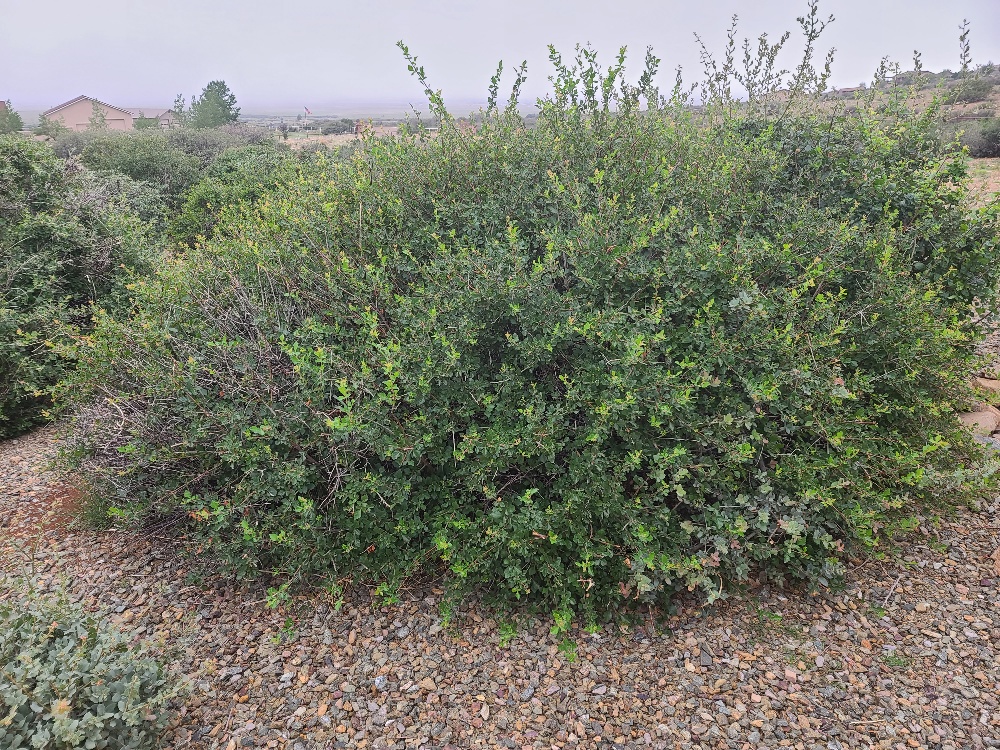
LIving in Northern Arizona presents a challenge to anyone trying to raise giant silk moths (of the family Saturniidae). I used Rhus trilobata experimentally last year, a plant not described as a host plant for any of the species I raise, and it worked beyond my wildest dreams. So far, this includes:
Citheronia regalis
Hyalophora cecropia
Callosamia promethea
Actias luna
Antherea polyphemus
Rothschildia lebeau
Many of the above species of Saturniids have completed their life cycles as well, and are into a new cycle. The success of Rhus trilobata on these polyphagous species of Saturniidae is now confirmed.
See the following photos of how this plant appears in the high desert of Arizona.

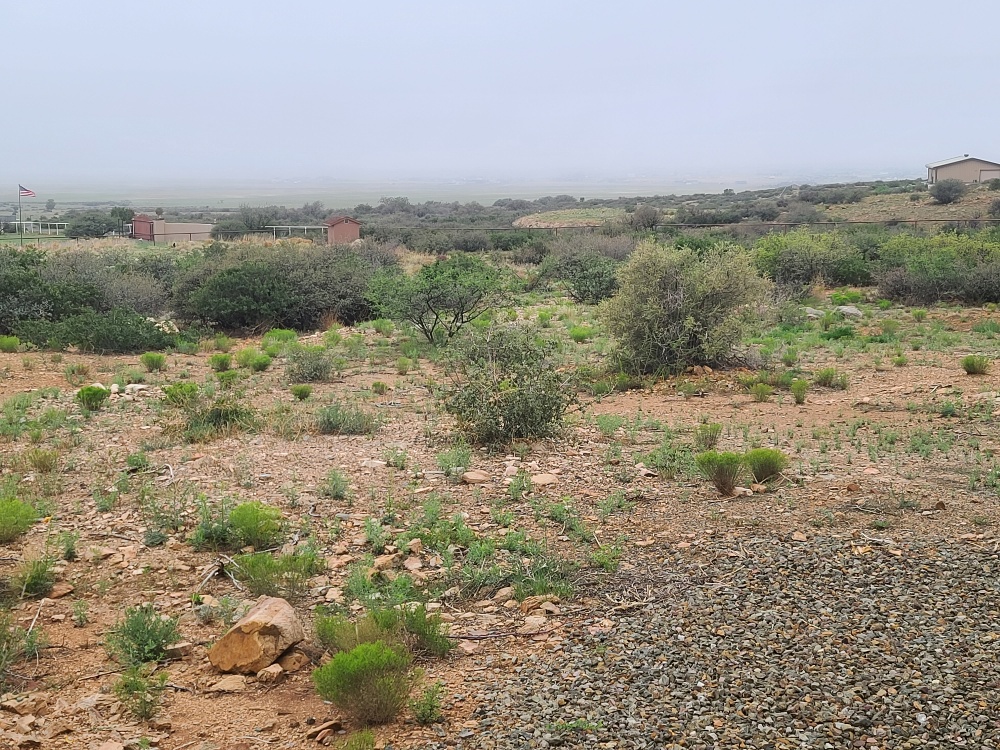
There are 6 varieties of Rhus trilobata. It grows here along with evergreen scrub oak under extremely dry and windy conditions.
Note: A variety of this sumac with a soft, velvety, almost “furry” leaf is one that I do not use. This type can be easily distinguished from the other type by touch. The Rhus trilobata I have found to be a success does vary somewhat from plant to plant; however, it does not possess this “velvety” characteristic.
Read more about Rhus trilobata and see its range:
https://plants.sc.egov.usda.gov/home/plantProfile?symbol=RHTR
 Butterfly and Moth